Why we should return to the moon
A case for exploration, lasting capability, and a future we actively build.
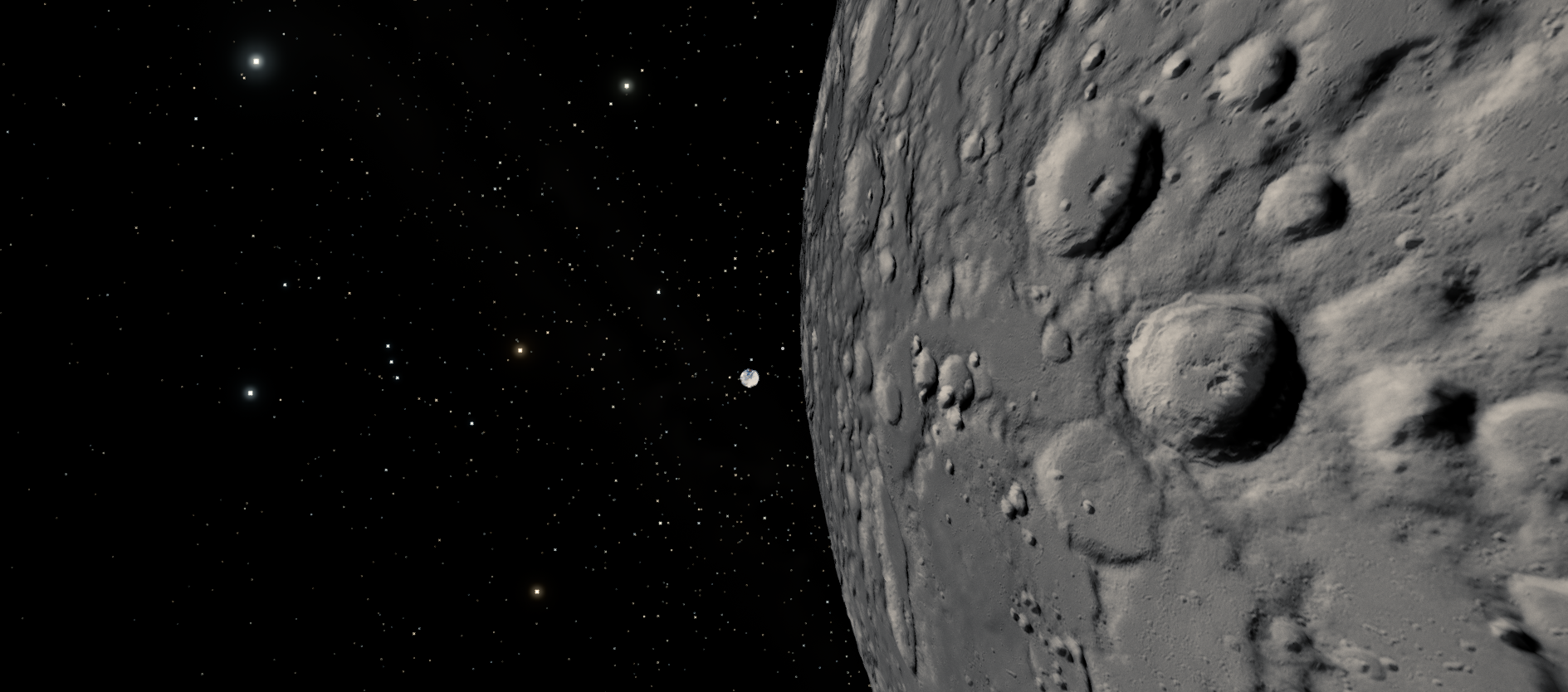
I want the Moon to be somewhere we go to work.
Somewhere we learn, build, test ideas, and develop the ability to do things that once seemed out of reach. Somewhere that belongs in our plans for the future, as well as our accounts of the past.
We have been there. I think we should return with a purpose that lasts beyond the arrival.
Give ambition a destination.
It is easy to talk about progress in the abstract. A destination makes the work concrete. We have to decide what to send, what to build, how to keep it working, and what we want to learn when we get there.
A sustained return to the Moon would ask us to think beyond a single launch or a successful landing. It would ask us to make systems that people can depend on, and plans that survive beyond the excitement of an announcement.
That is the kind of ambition I find useful: something demanding enough to organise real work around.
Learn by doing the difficult thing.
Building for another world forces us to take reliability seriously. Energy, shelter, communications, tools, repairs: every part of an operation has to earn its place.
I want us to develop that capability through experience. Put instruments to work. Explore. Test equipment. Learn what fails and improve it. Give people a reason to become better engineers, scientists, and builders.
The value would include the knowledge we bring home and the habits we develop along the way: patience, precision, cooperation, and the willingness to solve a problem instead of lowering the standard.
Build something that continues.
A visit is a beginning. What interests me is the work that follows: useful research, dependable infrastructure, and the ability to return and build on what has already been learned.
That takes continuity. It takes people who care about maintaining what exists while making the next step possible. It takes decisions whose value may become clear long after the people making them have moved on.
We should also decide how to explore responsibly. Protect places with scientific value. Preserve the record of earlier exploration. Be deliberate about what we leave behind. Care should be part of the plan from the start.
Keep Earth in the picture.
Going further should deepen our responsibility for the world we already have. Earth remains the place our lives, communities, and obligations are rooted in.
I want a future capable of caring for that home while reaching beyond it. A future with room for both practical responsibility and curiosity.
The Moon gives that curiosity a direction. It invites us to imagine something beyond the next argument, the next deadline, or the next crisis, and then work out how to make it happen.
That connects to the other notes in this journal. Decline follows when we leave things unattended. Attention disappears when we give it to everything. Progress needs a direction and the commitment to keep moving toward it.
We should return to the Moon because the future deserves more than our commentary. It deserves somewhere to begin, and people willing to build it.